Buy lesmeilleurs.eu ?
We are moving the project
lesmeilleurs.eu .
Are you interested in purchasing the domain
lesmeilleurs.eu ?
domain@kv-gmbh.de · 0541-91531010
Buy lesmeilleurs.eu ?
Is this nitric acid?
No, this is not nitric acid. Nitric acid is a strong mineral acid with the chemical formula HNO3. It is a clear, colorless liquid that is highly corrosive and can cause severe burns. The substance in the image appears to be a white powder, which is not characteristic of nitric acid. **
What is nitric acid?
Nitric acid is a strong mineral acid with the chemical formula HNO3. It is a highly corrosive and toxic liquid that is colorless when pure. Nitric acid is commonly used in the production of fertilizers, explosives, and various organic compounds. It is also used in the etching of metals and in cleaning and pickling processes. **


Similar search terms for Nitric
Top-Angebote
Products related to Nitric:
-
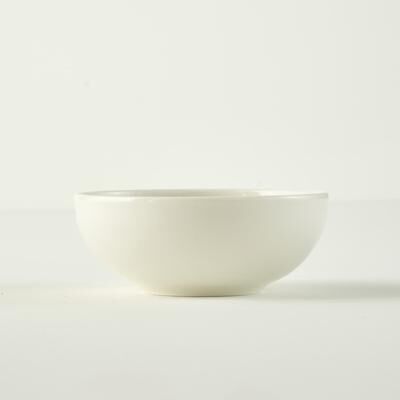
Depera Home Exclusive Selection Porcelain Soup Bowl - Capacity 4.5 fl oz eachExclusive Selection Soup Bowl designed for stylish presentation Features elegant gold decal print for a luxurious touch Part of the Exclusive collection for a curated dining experience Made from durable porcelain material Safe for dishwasher,...20,69 $*Shipping: 0,00 $Secure redirect to the provider
-
Exclusive Fabrics Faux Linen Grommet Top Curtain (1 Panel)These curtains are woven from a strong polyester and rayon blend, a semi-sheer weave that gently diffuses light into the room and gives it a soft appearance. The curtains are easily hung from the grommet construction, finished in nickel.36,17 $*Shipping: 0,00 $Secure redirect to the provider


-
How can I make a 0.1M nitric acid solution from 2M nitric acid?
To make a 0.1M nitric acid solution from a 2M nitric acid solution, you can use the formula C1V1 = C2V2, where C1 is the initial concentration (2M), V1 is the volume of the initial solution you will use, C2 is the final concentration (0.1M), and V2 is the final volume you want to achieve. By rearranging the formula, you can calculate the volume of the 2M nitric acid solution needed to dilute to 0.1M. Then, you can add water to reach the final volume required for the 0.1M solution. **
-
How does nitric acid smell?
Nitric acid has a pungent and suffocating odor that is often described as sharp, acrid, and irritating. It is a strong and corrosive acid that can cause irritation to the respiratory system and eyes even at low concentrations. The smell of nitric acid is often compared to the smell of vinegar, but much more intense and unpleasant. **
-
How is nitric acid passivated?
Nitric acid can be passivated by using a process called nitric acid passivation, which involves immersing the metal in a nitric acid solution. This process removes any free iron from the surface of the metal, creating a passive oxide layer that protects the metal from further corrosion. The nitric acid passivation process also helps to improve the metal's resistance to rust and other forms of corrosion, making it suitable for use in various applications. **
-
Can nitric acid be diluted?
Yes, nitric acid can be diluted by adding water to it. Diluting nitric acid reduces its concentration and makes it less corrosive and safer to handle. It is important to add the acid to the water slowly and carefully, while stirring continuously, to prevent the solution from becoming too hot and splashing. Diluted nitric acid is commonly used in various industrial and laboratory applications. **


Does nitric acid have resonance structures?
Yes, nitric acid (HNO3) does have resonance structures. The nitrogen atom in nitric acid can form a double bond with one of the oxygen atoms, leading to resonance structures where the double bond can be delocalized between the nitrogen and oxygen atoms. This resonance stabilization contributes to the overall stability of the molecule. **
What does nitric acid smell like?
Nitric acid has a pungent and suffocating odor that is often described as sharp, acrid, and unpleasant. It can irritate the nose and throat, and its smell can be detected even at very low concentrations. The odor of nitric acid is often compared to the smell of urine, as both contain similar compounds that contribute to their distinctive scent. **
Top-Angebote
Products related to Nitric:
-
Depera Home Exclusive Selection Dessert Plate - 2.5 in height"Exclusive Selection Dessert Plate from the Exclusive collection Features an elegant gold decal print Color: White Dimensions: Diameter: 8.5"" Material: Porcelain Made in: Turkey Care Guide: Dishwasher safe Microwave safe Oven safe"21,99 $*Shipping: 0,00 $Secure redirect to the provider
-
Depera Home Exclusive Selection Porcelain Salad Plate - 4.5 in diameter"Porcelain salad plate from the Exclusive Selection Collection Finished with refined gold decal detailing Classic white base for timeless table settings Dimensions: Diameter 8.5"" Material: Porcelain Made in: Turkey Care Guide: Dishwasher safe..."22,79 $*Shipping: 0,00 $Secure redirect to the provider
-
Depera Home Exclusive Selection Porcelain Soup Bowl - Capacity 4.5 fl oz eachExclusive Selection Soup Bowl designed for stylish presentation Features elegant gold decal print for a luxurious touch Part of the Exclusive collection for a curated dining experience Made from durable porcelain material Safe for dishwasher,...20,69 $*Shipping: 0,00 $Secure redirect to the provider
-
Is this nitric acid?
No, this is not nitric acid. Nitric acid is a strong mineral acid with the chemical formula HNO3. It is a clear, colorless liquid that is highly corrosive and can cause severe burns. The substance in the image appears to be a white powder, which is not characteristic of nitric acid. **
-
What is nitric acid?
Nitric acid is a strong mineral acid with the chemical formula HNO3. It is a highly corrosive and toxic liquid that is colorless when pure. Nitric acid is commonly used in the production of fertilizers, explosives, and various organic compounds. It is also used in the etching of metals and in cleaning and pickling processes. **
-
How can I make a 0.1M nitric acid solution from 2M nitric acid?
To make a 0.1M nitric acid solution from a 2M nitric acid solution, you can use the formula C1V1 = C2V2, where C1 is the initial concentration (2M), V1 is the volume of the initial solution you will use, C2 is the final concentration (0.1M), and V2 is the final volume you want to achieve. By rearranging the formula, you can calculate the volume of the 2M nitric acid solution needed to dilute to 0.1M. Then, you can add water to reach the final volume required for the 0.1M solution. **
-
How does nitric acid smell?
Nitric acid has a pungent and suffocating odor that is often described as sharp, acrid, and irritating. It is a strong and corrosive acid that can cause irritation to the respiratory system and eyes even at low concentrations. The smell of nitric acid is often compared to the smell of vinegar, but much more intense and unpleasant. **
Similar search terms for Nitric
-
Exclusive Fabrics Faux Linen Grommet Top Curtain (1 Panel)These curtains are woven from a strong polyester and rayon blend, a semi-sheer weave that gently diffuses light into the room and gives it a soft appearance. The curtains are easily hung from the grommet construction, finished in nickel.36,17 $*Shipping: 0,00 $Secure redirect to the provider
-
How is nitric acid passivated?
Nitric acid can be passivated by using a process called nitric acid passivation, which involves immersing the metal in a nitric acid solution. This process removes any free iron from the surface of the metal, creating a passive oxide layer that protects the metal from further corrosion. The nitric acid passivation process also helps to improve the metal's resistance to rust and other forms of corrosion, making it suitable for use in various applications. **
-
Can nitric acid be diluted?
Yes, nitric acid can be diluted by adding water to it. Diluting nitric acid reduces its concentration and makes it less corrosive and safer to handle. It is important to add the acid to the water slowly and carefully, while stirring continuously, to prevent the solution from becoming too hot and splashing. Diluted nitric acid is commonly used in various industrial and laboratory applications. **
-
Does nitric acid have resonance structures?
Yes, nitric acid (HNO3) does have resonance structures. The nitrogen atom in nitric acid can form a double bond with one of the oxygen atoms, leading to resonance structures where the double bond can be delocalized between the nitrogen and oxygen atoms. This resonance stabilization contributes to the overall stability of the molecule. **
-
What does nitric acid smell like?
Nitric acid has a pungent and suffocating odor that is often described as sharp, acrid, and unpleasant. It can irritate the nose and throat, and its smell can be detected even at very low concentrations. The odor of nitric acid is often compared to the smell of urine, as both contain similar compounds that contribute to their distinctive scent. **
* All prices are inclusive of VAT and, if applicable, plus shipping costs. The offer information is based on the details provided by the respective shop and is updated through automated processes. Real-time updates do not occur, so deviations can occur in individual cases. ** Note: Parts of this content were created by AI.